Wolf Range Igniter Keeps Clicking But Won't Light: Causes and Solutions
That constant clicking sound from your Wolf range is frustrating. Learn why it happens and when you can fix it yourself versus calling a technician.
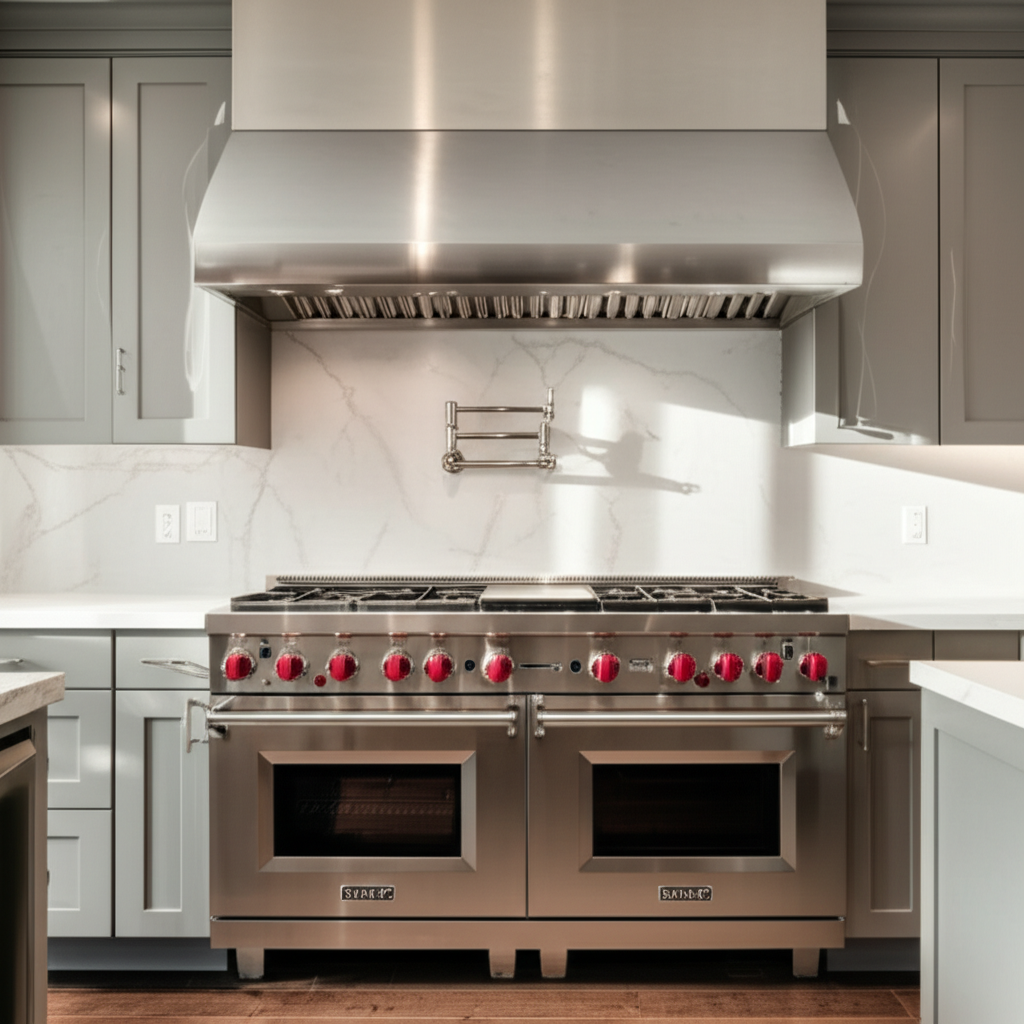
The clicking sound of a Wolf range igniter is normal during lighting—it's the spark that ignites the gas. But when clicking continues without producing a flame, or when it won't stop even after the burner lights, there's an issue to address. Here's what causes these problems and how to resolve them.
How Wolf Igniters Work
Wolf ranges use spark ignition for each burner. When you turn the knob, gas flows to the burner while an electric spark ignites it. Once lit, a flame sensor confirms ignition and stops the sparking. This system is reliable but has components that can malfunction.
Clicking Without Ignition
### Moisture on the Igniter (Most Common)
After cleaning your range or a spill, moisture can prevent proper sparking.
Solution: Remove the burner cap and let the igniter dry completely. You can speed this up by running the kitchen exhaust fan or using a hair dryer on low heat (keep it several inches away). Don't reassemble until completely dry.
### Clogged Burner Ports
Food debris, grease, or cleaning product residue can block the small ports where gas exits the burner.
Solution: With the burner cap removed, use a straight pin or needle to clear each port. Never use toothpicks (they can break off inside) or anything that might damage the brass. Clean around the igniter base with a dry brush.
### Misaligned Burner Cap
Wolf burner caps must sit perfectly flat and in the correct position. Even slight misalignment prevents proper gas flow to the igniter area.
Solution: Remove the cap and reseat it carefully. Wolf caps have alignment notches—ensure they're properly positioned. The cap should sit flush without wobbling.
### Faulty Igniter
Igniters eventually wear out. A weak spark may not ignite gas reliably.
Symptoms: Faint or inconsistent spark, delayed ignition, or no spark at all. You may notice the spark looks orange instead of bright blue.
Solution: Igniter replacement requires professional service due to electrical connections involved.
### Gas Supply Issues
If no burners will light, the problem may be gas supply rather than igniters.
Check: Is your gas supply on? Have you paid your gas bill? Is the gas shutoff valve behind the range open? Can other gas appliances (water heater, furnace) operate?
Continuous Clicking (Even When Lit)
### Wet or Dirty Igniter Switch
When clicking continues after the burner lights, moisture or debris is often affecting the spark module or igniter switch.
Solution: Turn off all burners and let the range sit for several hours to dry. Clean around each igniter with a dry cloth. If the problem persists after thorough drying, professional service is needed.
### Faulty Spark Module
The spark module controls all igniters. A malfunction can cause continuous sparking on one or all burners.
Symptoms: Multiple burners spark continuously, or sparking occurs even when all knobs are in the off position.
Solution: This requires professional diagnosis and replacement.
### Damaged Igniter Wiring
Wiring insulation can degrade over time, especially near the heat of burners. Damaged wiring can cause erratic igniter behavior.
Solution: Professional inspection and repair required.
When to Call a Professional
Contact a certified Wolf technician if:
- The burner won't light after cleaning and drying the igniter
- Clicking continues indefinitely after the burner is lit
- You smell gas without ignition (leave the area immediately and call your gas company first)
- Multiple burners are affected simultaneously
- The range produces error codes on the display
- You're uncomfortable working with gas appliances
Safety Considerations
**Never ignore a gas smell**. If you smell gas without a flame, turn off the range, open windows, don't use electrical switches, leave the house, and call your gas company from outside.
**Don't disable igniters**. Some people try to use manual lighting when igniters fail. This bypasses safety features and is not recommended for Wolf ranges.
**Check carbon monoxide detectors**. Incomplete combustion from burner issues can produce carbon monoxide. Ensure your CO detectors are functional.
Preventing Igniter Problems
- **Wipe up spills immediately** before they reach the igniter area
- **Clean burner caps and ports weekly** if you cook frequently
- **Avoid flooding burners** with water when cleaning—use damp cloths, not soaking
- **Use the right cookware size**—oversized pans can redirect heat toward igniter components
- **Run the exhaust hood** when cooking to reduce moisture around igniters
Professional Igniter Replacement
When igniters need replacement, professional installation ensures:
- Correct igniter specification for your Wolf model
- Proper electrical connections
- Verification of spark gap and timing
- Testing of all safety interlocks
- Warranty-compliant service
Igniter replacement typically takes 30-60 minutes per burner. Most technicians stock common Wolf igniters, allowing same-visit repair.
The cost for professional igniter replacement typically runs $150-300 per burner including parts and labor. Given Wolf ranges cost $5,000-$15,000+, this represents excellent value for restoring full functionality.
Need Professional Appliance Repair?
Our experienced technicians are ready to help with your Sub-Zero, Wolf, and other luxury appliance needs.
Related Articles
Sub-Zero Refrigerator Not Cooling? Complete Diagnosis Guide
Your Sub-Zero stopped cooling? Before calling for service, learn what might be causing the problem and what you can check yourself.
The Complete Maintenance Schedule for Sub-Zero, Wolf, and Cove Appliances
Protect your investment with this comprehensive maintenance schedule. Learn what to do weekly, monthly, and annually to keep premium appliances performing.