Preventing Water Damage from Appliances: A Homeowner's Guide
Water damage from appliances is a leading cause of insurance claims. Learn how to prevent leaks and what to do if one occurs.
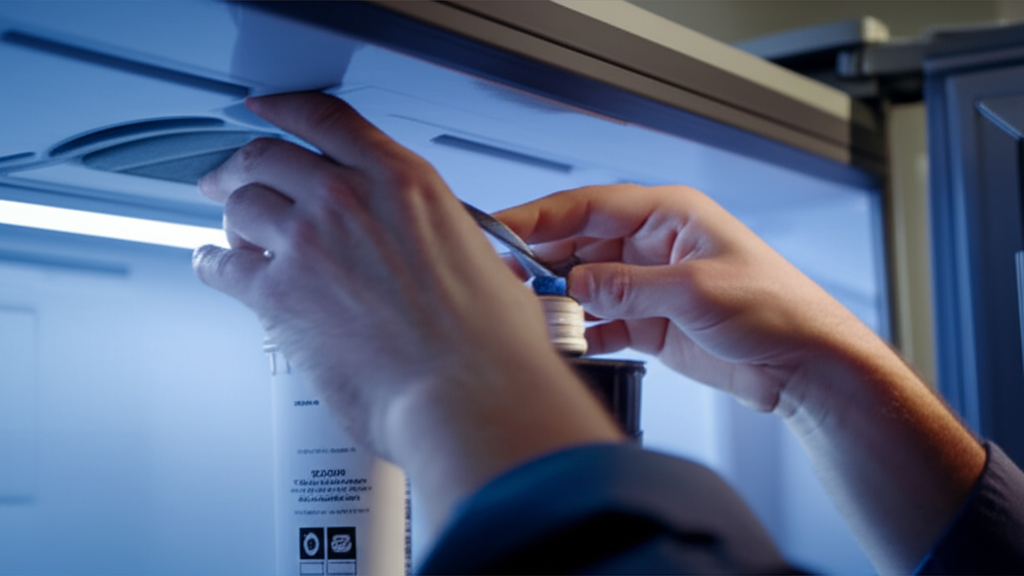
Appliance-related water damage causes billions of dollars in insurance claims annually. A washing machine supply hose bursting or a refrigerator water line leaking can cause extensive damage quickly. Here's how to prevent appliance water damage—and what to do if it occurs.
High-Risk Appliances
### Washing Machines
The leading cause of appliance water damage. A burst supply hose can release hundreds of gallons per hour.
Risk factors: - Rubber supply hoses deteriorate over time - Connections can loosen from vibration - Often located upstairs where leaks cause more damage
### Dishwashers
Slow leaks can go unnoticed, causing mold and floor damage.
Risk factors: - Door seal failure - Drain hose cracks - Inlet valve leaks - Pump seal failure
### Refrigerators
Water supply lines for ice makers and water dispensers can leak.
Risk factors: - Plastic supply lines crack easily - Connections behind refrigerator aren't visible - Small leaks go unnoticed until floor damage occurs
### Water Heaters
Tank failures cause sudden flooding.
Risk factors: - Age (tanks typically last 8-12 years) - Sediment buildup - Internal corrosion
Prevention Strategies
### Upgrade Supply Hoses
Washing machine hoses: Replace rubber hoses with braided stainless steel hoses. Cost: $20-30 per hose. These resist bursting and last much longer.
Frequency: Replace any hose showing signs of wear (cracks, bulges, rust at connections). Replace rubber hoses every 3-5 years regardless of appearance.
### Use Quality Water Supply Lines
Refrigerator lines: Use copper or braided stainless steel, not plastic. Plastic lines are cheap but brittle and prone to failure.
Dishwasher connections: Ensure connections are secure and lines aren't kinked.
### Regular Inspection
Monthly: - Look behind washing machine for moisture - Check under dishwasher for water - Inspect visible water lines for damage
Quarterly: - Pull refrigerator out and check water line - Inspect water heater for rust or moisture - Test supply valve operation
### Shut Off When Away
Extended absences: Turn off water supply to washing machine and dishwasher when leaving for vacation.
Moving appliances: Always shut off water before moving refrigerators or washing machines.
### Install Water Leak Detectors
Electronic leak detectors alert you to water presence before major damage occurs.
Options: - Simple battery-powered alarms ($10-20) - Smart detectors that send phone alerts ($50-100) - Whole-house systems with automatic shutoff ($200-500+)
Placement: Under washing machine, dishwasher, refrigerator, and water heater.
### Know Your Shutoffs
Appliance shutoffs: Know where the shutoff valve is for each water-connected appliance.
Main shutoff: Know your home's main water shutoff location. Practice operating it.
Warning Signs
### Washing Machine
- Hoses bulging or cracked
- Rust at connections
- Moisture on floor
- Hose feels brittle
- Machine older than 10 years with original hoses
### Dishwasher
- Water under or around unit
- Warped or discolored flooring nearby
- Musty smell
- Rust on door or frame
- Visible seal damage
### Refrigerator
- Water on floor behind or beside unit
- Ice maker leaking
- Puddles in the pan below
- Water dispenser dripping
- Rust at water line connection
### Water Heater
- Rust at top or bottom
- Water around base
- Age 10+ years
- Rumbling or popping sounds (sediment)
- Visible corrosion
What to Do If a Leak Occurs
### Immediate Actions
- **Shut off water**: To the appliance if accessible, or at the main shutoff
- **Unplug electrical**: Water and electricity don't mix
- **Stop the spread**: Use towels to contain water
- **Document**: Take photos for insurance
- **Extract water**: Use wet-vac, mops, or call water damage restoration
### Professional Help
Water damage restoration: If significant water, call professionals. Hidden moisture causes mold within 24-48 hours.
Plumber: To repair the leak source and check for related damage
Appliance technician: If the leak was from an appliance component
### Insurance Considerations
- Document everything with photos and video
- Keep damaged items until adjuster approves disposal
- File claim promptly
- Review your coverage for water damage limitations
The Cost of Prevention vs. Damage
Prevention costs: - Braided hoses: $20-60 - Leak detector: $10-100 - Annual inspection: Your time
Water damage costs: - Minor leak repair: $500-2,000 - Moderate water damage: $5,000-20,000 - Major flooding: $20,000-100,000+ - Not including increased insurance premiums
Prevention is clearly the better investment. A few dollars spent on quality hoses and leak detectors can prevent thousands in damage and the stress of dealing with water damage remediation.
Annual Prevention Checklist
- [ ] Inspect all supply hoses for wear
- [ ] Check water line connections
- [ ] Test all shutoff valves
- [ ] Verify leak detector batteries
- [ ] Look for signs of slow leaks
- [ ] Check water heater condition
- [ ] Review insurance coverage
- [ ] Note appliance ages and plan upgrades
Taking water damage prevention seriously protects your home, belongings, and peace of mind.
Need Professional Appliance Repair?
Our experienced technicians are ready to help with your Sub-Zero, Wolf, and other luxury appliance needs.
Related Articles
Sub-Zero Refrigerator Not Cooling? Complete Diagnosis Guide
Your Sub-Zero stopped cooling? Before calling for service, learn what might be causing the problem and what you can check yourself.
Wolf Range Igniter Keeps Clicking But Won't Light: Causes and Solutions
That constant clicking sound from your Wolf range is frustrating. Learn why it happens and when you can fix it yourself versus calling a technician.