What That Refrigerator Noise Means: A Diagnostic Guide
Clicking, humming, buzzing, or gurgling from your refrigerator? Learn which sounds are normal and which indicate problems requiring attention.
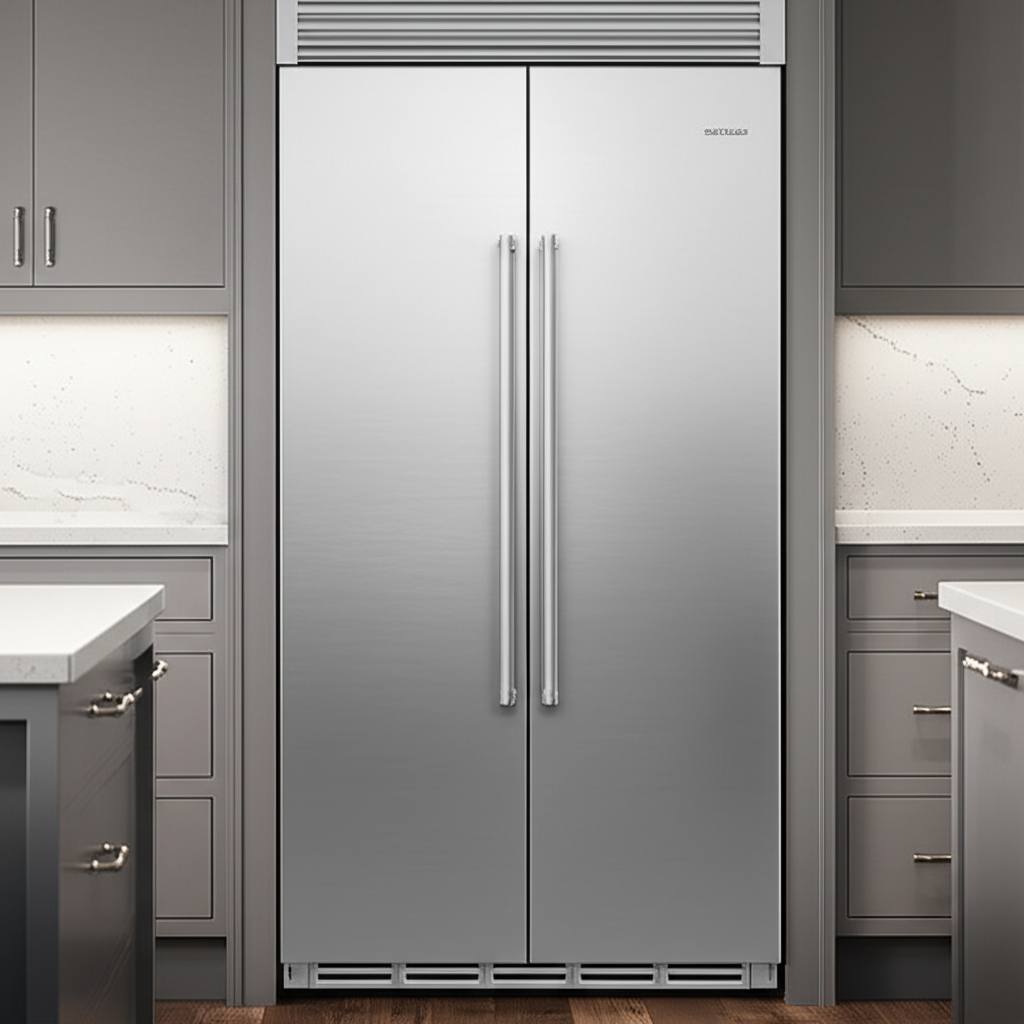
Refrigerators aren't silent appliances. They have compressors, fans, valves, and defrost systems that all make sounds during normal operation. Understanding what's normal versus what indicates a problem helps you know when to call for service—and when to relax.
Normal Refrigerator Sounds
### Humming
What it is: The compressor running. This is the most common refrigerator sound.
Normal characteristics: Steady, low-pitched hum that starts and stops as the unit cycles. May run for 30-60 minutes at a time, then shut off for similar periods.
When to worry: Loud humming, humming that doesn't stop for hours, or humming accompanied by heat from the compressor area.
### Clicking
What it is: The compressor starting and stopping, or the defrost timer cycling.
Normal characteristics: Occasional clicks (a few times per day) as the compressor cycles or defrost activates.
When to worry: Rapid, continuous clicking. Clicking without the compressor starting (you won't hear the hum that should follow).
### Gurgling or Bubbling
What it is: Refrigerant flowing through the system after the compressor stops.
Normal characteristics: Brief gurgling sounds after the compressor shuts off. Completely normal.
When to worry: Constant gurgling or bubbling suggests possible refrigerant issues.
### Whooshing
What it is: The evaporator fan circulating air, or refrigerant flow.
Normal characteristics: Soft whooshing during normal operation. May change when you open the door (evaporator fan stops when door opens on many models).
When to worry: Loud whooshing, especially if accompanied by temperature problems.
### Hissing or Sizzling
What it is: Water hitting the defrost heater during the defrost cycle.
Normal characteristics: Brief hissing during defrost cycles (typically once or twice daily). You might also hear it when the compressor first stops and pressure equalizes.
When to worry: Constant hissing may indicate a refrigerant leak.
Abnormal Sounds and Their Causes
### Loud Buzzing
Possible causes: - Compressor struggling to start - Failed compressor start relay - Debris touching the condenser fan - Water inlet valve vibrating (if ice maker equipped)
Action: Check for debris near the condenser fan (behind/beneath the unit). If buzzing occurs when ice maker fills, the inlet valve may need attention. Persistent buzzing warrants professional inspection.
### Grinding or Squealing
Possible causes: - Evaporator or condenser fan motor failing - Fan blade hitting ice buildup or debris - Compressor motor failure (rare but serious)
Action: Identify which fan is making noise (condenser fan at back/bottom, evaporator fan inside freezer). Grinding often precedes complete fan failure—schedule service before it stops working entirely.
### Knocking or Rattling
Possible causes: - Loose components (drain pan, fan blade, compressor mounts) - Ice buildup hitting the evaporator fan - Items on top of or near the refrigerator vibrating
Action: Check for loose items on/around the unit. Look for visible ice buildup in the freezer near the air vent. A loose compressor mount requires professional repair.
### Popping or Cracking
Possible causes: - Thermal expansion/contraction of interior panels (especially during defrost cycles) - Ice cracking in the ice maker - Plastic parts expanding with temperature changes
Normal characteristics: Occasional pops, especially after defrost cycles or in newer units still "settling."
When to worry: Rarely concerning unless accompanied by other symptoms.
### Continuous Running (Not a Sound, But Related)
Normal: Refrigerators run more during hot weather, after adding warm food, or when doors are opened frequently.
Concerning: Running continuously for 24+ hours without cycling off suggests: - Dirty condenser coils - Failed door seal - Thermostat or control board issues - Low refrigerant
Locating the Sound Source
### Step 1: Narrow Down the Area
Front bottom: Condenser fan, drain pan **Back bottom**: Compressor **Inside freezer**: Evaporator fan **Inside refrigerator**: Air damper (some models)
### Step 2: Timing
When compressor runs: Compressor or condenser fan **When compressor is off**: Evaporator fan (may run independently) or defrost system **When ice maker fills**: Water inlet valve
### Step 3: Door Position
Only with door open: Likely evaporator fan hitting ice (fan usually stops when door opens) **Only with door closed**: Normal operation or sealed system sounds
Sub-Zero Specific Sounds
### Dual Compressor Systems
Sub-Zero's dual compressor design means more potential sound sources—but also that you can narrow problems to either refrigerator or freezer section based on which side the sound comes from.
### Ice Maker Sounds
Sub-Zero ice makers may produce: - Water filling sounds every hour or so - Harvest cycle sounds (mechanical whirring as ice releases) - Ice dropping into the bin
These are all normal.
### Condenser Cover Sounds
The front grille on Sub-Zero built-ins can vibrate if not properly seated. Check that it's firmly in place.
When to Call for Service
Immediately: - Grinding that suddenly stops (may indicate fan failure) - Loud buzzing with compressor not running - Any sound accompanied by burning smell - Hissing with visible oil residue (possible refrigerant leak)
Soon: - New sounds that persist more than a day - Sounds that get progressively louder - Any noise accompanied by temperature problems - Squealing that indicates impending fan failure
Can wait for regular maintenance: - Occasional new sounds that resolve - Sounds only with specific activities (ice making, defrost) - Minor rattles from loose items
Reducing Refrigerator Noise
- **Level the unit**: Use a level and adjust feet. An unlevel unit vibrates more.
- **Clean condenser coils**: Dirty coils make compressors work harder and louder.
- **Check door seals**: Poor seals increase run time and noise.
- **Secure the drain pan**: A loose pan rattles during compressor operation.
- **Leave space around the unit**: Cramped installations echo and amplify sounds.
- **Don't overload**: Crowded interiors block airflow, increasing run time.
Need Professional Appliance Repair?
Our experienced technicians are ready to help with your Sub-Zero, Wolf, and other luxury appliance needs.
Related Articles
Sub-Zero Refrigerator Not Cooling? Complete Diagnosis Guide
Your Sub-Zero stopped cooling? Before calling for service, learn what might be causing the problem and what you can check yourself.
Wolf Range Igniter Keeps Clicking But Won't Light: Causes and Solutions
That constant clicking sound from your Wolf range is frustrating. Learn why it happens and when you can fix it yourself versus calling a technician.