Oven Temperature Inaccurate? How to Test and Calibrate Your Wolf or Other Premium Oven
Baking results inconsistent? Your oven temperature might be off. Learn how to test accuracy and calibrate for perfect results.
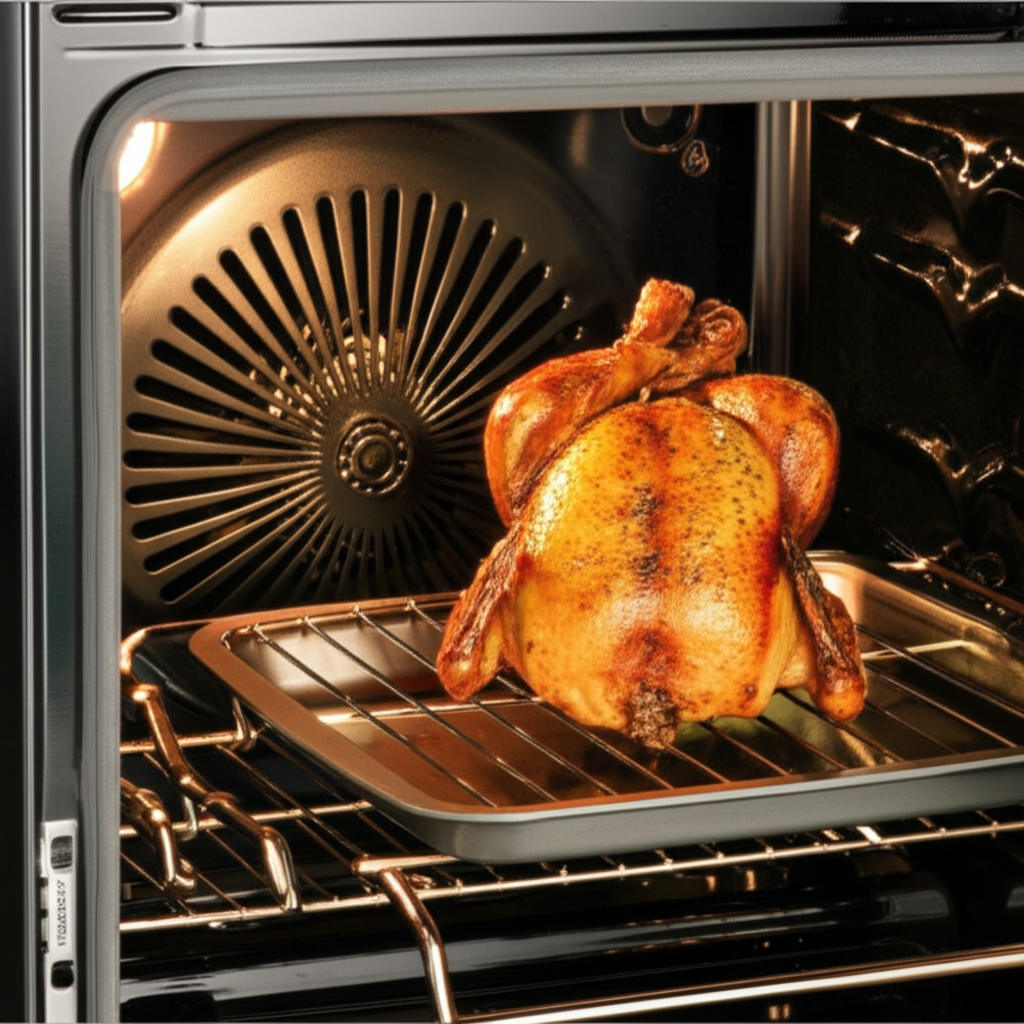
Inconsistent baking results—cookies that burn or bread that doesn't rise—often indicate oven temperature problems. Even premium ovens like Wolf can drift from calibration over time. Here's how to test your oven's accuracy and correct temperature variations.
Why Oven Temperatures Drift
### Normal Variation
All ovens cycle on and off to maintain temperature. This creates a normal fluctuation of 15-25°F around the set temperature. Your oven might swing from 325°F to 375°F when set to 350°F—this is normal and expected.
### Causes of Inaccuracy
Sensor drift: The temperature sensor (thermocouple or RTD) can lose accuracy over time or after extreme use.
Calibration changes: Vibration, age, or electronic glitches can shift calibration settings.
Heating element issues: Uneven heating from failing elements causes temperature problems even if the sensor is accurate.
Door seal degradation: Heat escaping through worn seals makes the oven work harder and cycle more frequently.
Testing Oven Temperature
### The Oven Thermometer Method
Purchase an oven-safe thermometer rated for high temperatures. These cost $10-30 and are essential for any serious cook.
Testing procedure:
- Place the thermometer in the center of the middle rack
- Set oven to 350°F
- Wait at least 30 minutes for stabilization (many ovens need this long)
- Check the thermometer without opening the door if visible through the window
- If you must open the door, check quickly and close immediately
- Record the temperature
- Check again 10 minutes later
- Average the readings
Interpreting results: If your thermometer consistently shows 25°F or more above or below the set temperature, calibration is needed.
### Multiple Temperature Test
For thorough testing, repeat at 250°F, 350°F, and 450°F. Some ovens are accurate at one temperature but not others, indicating sensor problems rather than calibration issues.
Calibrating a Wolf Oven
Wolf ovens allow user calibration through the control panel. The exact procedure varies by model, but the general approach:
### Wolf E and M Series Ovens
- Press and hold the "Bake" button for 5 seconds
- The display shows the current calibration offset (often "0")
- Use arrow buttons to adjust (each increment is typically 5°F)
- Adjust up if oven runs cold, down if it runs hot
- Press "Bake" again to save
Example: If your oven set to 350°F reads 325°F on your thermometer, increase calibration by 25°F.
### Wolf Dual Fuel Ranges
The gas cooktop and electric oven have separate controls. Oven calibration follows similar steps but accessed through the oven control panel only.
### Important Notes
- Maximum adjustment is typically ±35°F. If you need more, the sensor or control may need professional service
- Calibration affects displayed temperature—the oven will show the set temperature while actually running at the calibrated temperature
- Write down your calibration setting in case of power outages that reset controls
Calibrating Other Premium Ovens
### Thermador Ovens
Access calibration through settings menu. Navigation varies by control type (digital vs. dial). Consult your manual for model-specific instructions.
### Miele Ovens
Miele ovens have calibration in the settings menu, typically under "Settings" > "Temperature Calibration." Some models require service mode access.
### Viking Ovens
Viking calibration procedures vary significantly by model and era. Many require accessing a hidden calibration mode. Professional calibration is often recommended.
When Calibration Isn't Enough
### Signs of Deeper Problems
Temperature swings greater than 50°F: This suggests heating element cycling issues or sensor problems beyond calibration.
Hot or cold spots: If one area of the oven is significantly different from others, the problem isn't calibration—it's heat distribution.
Long preheat times: If your oven takes much longer than it used to reach temperature, elements may be weakening.
Inaccurate at some temperatures but not others: This indicates sensor problems that calibration can't fully correct.
### Professional Diagnosis
When basic calibration doesn't solve the problem, a technician can:
- Test the temperature sensor resistance (should follow specific values at known temperatures)
- Check heating element output
- Verify control board function
- Identify hot spots with thermal cameras
- Replace components that are failing
Tips for Accurate Baking Despite Oven Quirks
While addressing temperature issues:
Use an oven thermometer: Even after calibration, verify with a thermometer for critical baking
Know your hot spots: Place racks of cookies and note which brown faster—rotate pans accordingly
Preheat thoroughly: Many ovens need 20-30 minutes to truly stabilize, not just reach the set temperature
Use convection when appropriate: Convection improves temperature consistency throughout the oven
Don't crowd the oven: Overcrowding blocks heat circulation and creates uneven temperatures
Maintaining Accurate Temperature
- **Avoid self-cleaning too frequently**—the extreme heat can stress sensors and elements
- **Don't slam oven doors**—shock can affect calibration
- **Clean oven regularly**—buildup affects heat reflection and circulation
- **Check calibration annually**—catch drift before it affects your cooking
- **Address door seal issues promptly**—heat loss affects temperature consistency
The Value of Accurate Temperature
For serious home cooks, an accurate oven is essential. Recipes are developed with specific temperatures in mind. A 25°F difference can mean:
- Cookies that spread too much or not enough
- Bread that's dense or doesn't rise properly
- Roasts that are overdone or underdone
- Pastry that doesn't flake correctly
The small effort of testing and calibrating your oven pays dividends in consistent, excellent results.
Need Professional Appliance Repair?
Our experienced technicians are ready to help with your Sub-Zero, Wolf, and other luxury appliance needs.
Related Articles
Sub-Zero Refrigerator Not Cooling? Complete Diagnosis Guide
Your Sub-Zero stopped cooling? Before calling for service, learn what might be causing the problem and what you can check yourself.
Wolf Range Igniter Keeps Clicking But Won't Light: Causes and Solutions
That constant clicking sound from your Wolf range is frustrating. Learn why it happens and when you can fix it yourself versus calling a technician.