How to Extend Your Luxury Appliance Lifespan by 10+ Years
Premium appliances can last decades with proper care. Learn the maintenance practices that significantly extend Sub-Zero, Wolf, and other high-end appliance lifespans.
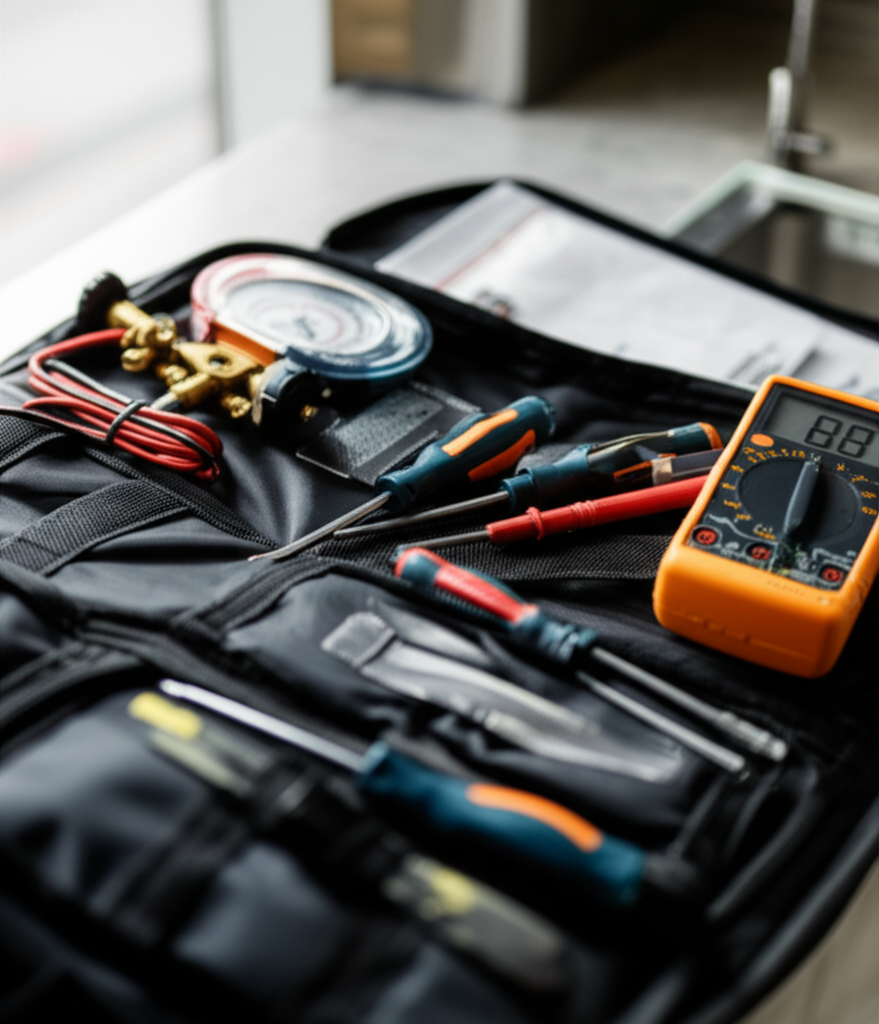
The difference between a Sub-Zero that lasts 15 years and one that lasts 25 years often comes down to maintenance practices. Premium appliances are built for longevity, but they require care to achieve their full potential lifespan. Here's what truly makes a difference.
The Biggest Factor: Condenser Coil Cleaning
If you do nothing else, clean your refrigerator's condenser coils. This single maintenance task has more impact on lifespan than any other.
### Why It Matters
Condenser coils dissipate heat from the refrigeration system. When coated with dust, pet hair, and debris, they can't release heat efficiently. The compressor works harder, runs hotter, and wears out faster.
The numbers: Dirty coils can increase compressor workload by 30% or more. A compressor designed for 20 years of normal use might last only 12-15 years under this stress.
### How to Clean Coils
Frequency: Every 6 months. Every 3 months if you have pets.
Process: 1. Unplug the refrigerator or turn off the breaker 2. Locate coils (usually behind a front grille at the bottom, or at the back) 3. Use a vacuum with brush attachment to remove loose debris 4. Use a coil cleaning brush (long, narrow brush from hardware stores) to reach between fins 5. Vacuum again 6. Replace the grille and restore power
Time investment: 15-20 minutes twice a year. Return: potentially 5-10 extra years of service.
Door Seals: The Overlooked Lifespan Factor
### What Happens with Bad Seals
Worn door seals allow cold air to escape constantly. The refrigerator runs more to compensate, stressing all components. You're also wasting energy and may not even realize it.
### Testing Seals
The dollar bill test: Close the door on a dollar bill. Try to pull it out. It should resist. If it slides easily, the seal is worn.
Visual inspection: Look for cracks, tears, or compressed areas in the gasket. Feel along the seal when the door is closed—cold air escaping indicates poor seal.
### Maintaining Seals
Monthly: Wipe seals with a damp cloth to remove debris that prevents proper closure.
Twice yearly: Clean seals with mild soap solution. Check for wear and replace if needed.
Don't: Use petroleum-based products on seals. They degrade the rubber.
Operating Within Design Parameters
### Temperature Settings
Setting your refrigerator colder than necessary doesn't preserve food better—it wears out components faster.
Optimal settings: - Refrigerator: 37-38°F - Freezer: 0°F
Each degree colder: Increases energy use and wear by approximately 5%.
### Don't Overfill
Overfilling blocks air circulation, causing uneven cooling and longer run times.
Good practice: Leave space between items. Don't block air vents inside the unit.
### Don't Leave Doors Open
Every minute a door stays open, the compressor must work to recover. Repeated open-door time accumulates stress on the system.
Range and Oven Care for Longevity
### Avoid Self-Clean Abuse
Self-cleaning cycles reach 800-900°F. This stress affects: - Door seals (which can warp or degrade) - Temperature sensors - Interior coatings - Heating elements
Recommendation: Use self-clean sparingly—once or twice per year maximum. Use gentler cleaning methods for regular maintenance.
### Burner Care
Gas burner components last longest when: - Ports are kept clear of debris - Burner caps are properly seated - Spills are cleaned promptly - Igniters stay dry
### Ventilation Maintenance
Range hoods remove heat, grease, and moisture from cooking. A clogged hood forces the range to work in a hotter, greasier environment.
Monthly: Clean or replace hood filters.
Dishwasher Longevity Tips
### Filter Maintenance
Modern dishwashers have manual-clean filters. Clogged filters cause: - Poor cleaning (leading to re-washing) - Pump strain - Premature pump failure
Weekly: Remove and rinse the filter.
### Water Temperature
Entering water should be 120°F minimum. Cold water makes dishwashers work harder to reach cleaning temperatures, stressing heating elements.
Test: Run hot water at the kitchen sink before starting the dishwasher.
### Rinse Aid Use
Rinse aid isn't optional—it affects drying efficiency. Without it, the drying system works harder and longer.
Environmental Factors
### Location Matters
Heat exposure: Refrigerators near ovens, dishwashers, or in direct sunlight work harder. Locate them away from heat sources when possible.
Ventilation: Built-in refrigerators need proper ventilation. Ensure required clearances are maintained.
### Power Quality
Voltage fluctuations and power surges damage electronic controls and compressors.
Protection: Use surge protectors on expensive appliances, or consider whole-house surge protection.
After power outages: Wait 10-15 minutes after power returns before restarting refrigerators. This allows system pressures to equalize.
The Value of Professional Maintenance
### Annual Checkups
What a technician does that you can't: - Check refrigerant levels and system pressures - Test electrical connections and amp draw - Verify compressor performance - Catch developing problems before failure - Clean areas not accessible to homeowners
Cost: $150-250 annually. **Potential savings**: Thousands in prevented major repairs.
### When to Schedule
Best timing: Spring for refrigeration (before summer heat) and fall for heating-related appliances.
Real Numbers: The Lifespan Difference
Sub-Zero Refrigerators: - Neglected: 12-15 years average - Basic maintenance: 18-22 years - Comprehensive maintenance: 25+ years
Wolf Ranges: - Neglected: 10-15 years - Basic maintenance: 18-20 years - Comprehensive maintenance: 25+ years
The difference between 15 years and 25 years of service from a $15,000 Sub-Zero refrigerator represents thousands of dollars in value—far exceeding any maintenance costs.
Creating a Maintenance Routine
Monthly (15 minutes): - Clean dishwasher filter - Wipe refrigerator door seals - Clean range hood filters
Quarterly (30 minutes): - Clean refrigerator condenser coils (more often with pets) - Check all door seals - Clean range burner components
Annually (professional service): - Complete system inspection - Performance verification - Preventive maintenance
The small time investment of regular maintenance yields enormous returns in appliance longevity, reliable performance, and avoided repair costs.
Need Professional Appliance Repair?
Our experienced technicians are ready to help with your Sub-Zero, Wolf, and other luxury appliance needs.
Related Articles
Sub-Zero Refrigerator Not Cooling? Complete Diagnosis Guide
Your Sub-Zero stopped cooling? Before calling for service, learn what might be causing the problem and what you can check yourself.
Wolf Range Igniter Keeps Clicking But Won't Light: Causes and Solutions
That constant clicking sound from your Wolf range is frustrating. Learn why it happens and when you can fix it yourself versus calling a technician.