Gas vs Electric Range Repairs: What Every Homeowner Should Know
Understanding the differences between gas and electric range repairs helps you know what to expect and when you can troubleshoot yourself.
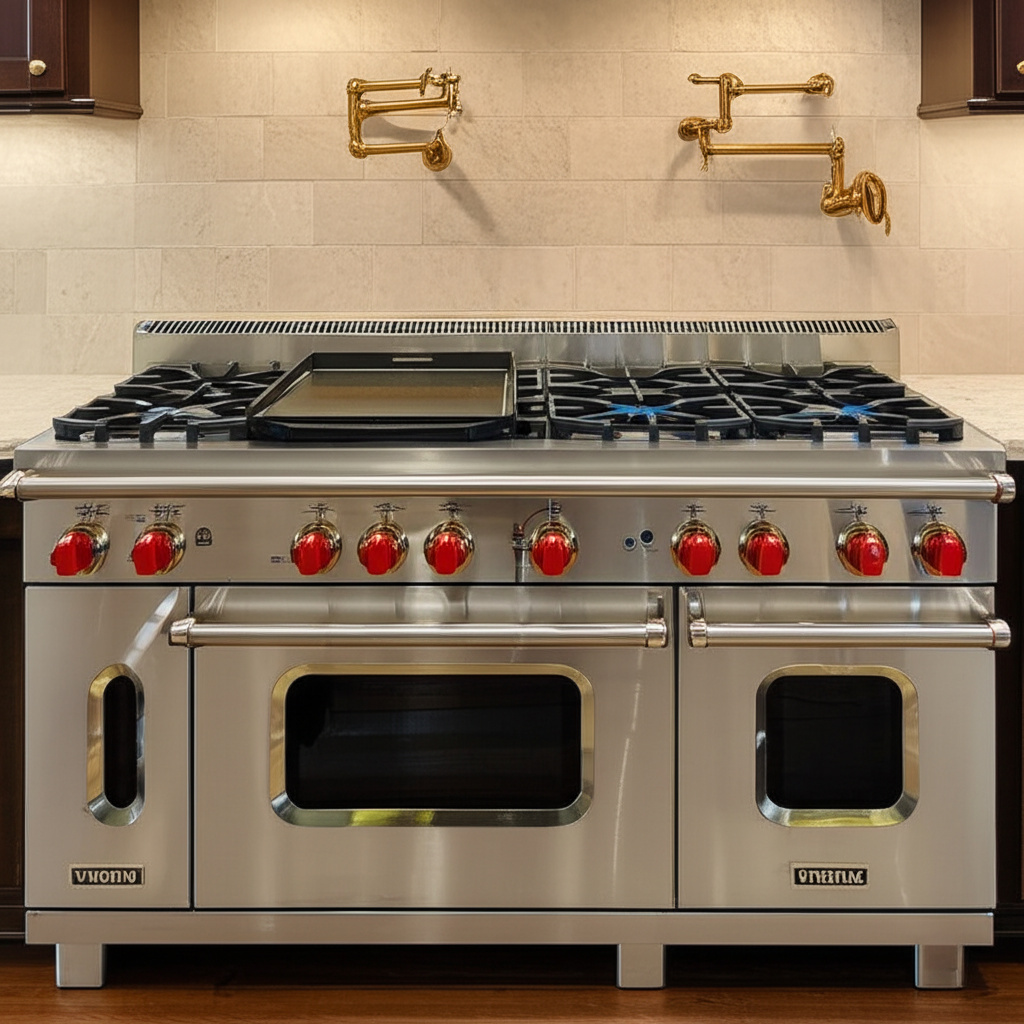
Gas and electric ranges have fundamentally different heating systems, which means different failure modes and repair approaches. Understanding these differences helps you communicate with technicians and know what repairs involve.
How Gas Ranges Work
### The Gas System
Components: Gas valve, burner, igniter, flame sensor (or thermocouple on older units)
Operation: You turn the knob, the gas valve opens, gas flows to the burner, the igniter sparks (or pilot light ignites the gas), and the flame provides heat. A sensor confirms ignition.
### Common Gas Range Problems
Igniter failure: The most common issue. Igniters wear out and need replacement every 5-10 years with regular use.
Gas valve issues: Valves can stick or fail. Usually requires professional replacement.
Clogged burner ports: Food debris blocks gas flow. Often DIY cleanable.
Thermocouple/flame sensor failure: Safety devices that confirm flame presence. When they fail, the gas valve won't stay open.
### Gas Range Safety
Critical: Gas leaks are dangerous. If you smell gas when burners are off, leave immediately and call your gas company.
Gas range repairs involving the gas supply system should be performed by qualified technicians who can: - Test for gas leaks - Verify proper gas pressure - Ensure all connections are secure - Confirm safety device operation
How Electric Ranges Work
### The Electric System
Components: Heating elements (coil or radiant), control switches or electronic control board, temperature sensors
Operation: You turn the knob or select a setting, the control sends electricity to the heating element, which produces heat through electrical resistance.
### Types of Electric Elements
Coil elements: Visible spiral elements that glow red. Relatively simple and replaceable.
Radiant (smoothtop): Elements beneath a glass-ceramic surface. Heat the glass, which transfers heat to cookware.
Induction: Uses electromagnetic fields to heat compatible cookware directly. Most complex technology.
### Common Electric Range Problems
Element failure: Coil elements burn out and need replacement. Usually affordable and straightforward.
Radiant element failure: More complex than coils due to limiter switches and ribbon elements.
Control switch failure: Mechanical switches wear out, especially in heavily-used ranges.
Control board failure: Electronic control boards can fail, often requiring complete replacement.
Glass-ceramic top damage: Cracks from impact or extreme heat. Usually requires complete top replacement.
### Electric Range Safety
Voltage concerns: Ranges use 240V power. Disconnect power before any service. Improper work can result in shock or fire.
Dual-Fuel Ranges
### The Hybrid Approach
Premium ranges like Wolf often combine gas cooktop with electric oven—the best of both worlds for cooking but with both types of components to maintain and repair.
### Dual-Fuel Considerations
Gas repairs: Apply to the cooktop burners **Electric repairs**: Apply to the oven **Control systems**: May be integrated, affecting both sides
Comparing Repair Complexity and Cost
### Gas Range Repairs
Igniter replacement: $150-300 (parts and labor) **Gas valve replacement**: $200-400 **Thermocouple replacement**: $150-250 **Typical appointment**: 1-2 hours
### Electric Range Repairs
Coil element replacement: $50-150 **Radiant element replacement**: $150-350 **Control switch replacement**: $150-250 **Control board replacement**: $300-600 **Glass top replacement**: $500-1000+ **Typical appointment**: 1-2 hours
### Dual-Fuel Repairs
Can involve costs from either category depending on what's failed. Control board issues may be more expensive due to integrated systems.
What You Can Troubleshoot
### Gas Ranges (Homeowner Safe)
- Clean clogged burner ports
- Check if gas supply is on
- Verify igniter sparks when knob is turned
- Clean around igniter base
- Check that burner caps are properly seated
### Electric Ranges (Homeowner Safe)
- Verify outlet has power (test with another appliance)
- Test/swap coil elements to identify a failed element
- Reset tripped circuit breaker
- Clean under coil elements
- Check that coils are properly seated in receptacles
### Leave to Professionals
Gas: - Any gas line connections - Gas valve replacement - Pressure testing - Any work when you smell gas
Electric: - Control board diagnosis/replacement - Internal wiring work - Radiant element replacement (involves high voltage) - Any work with power connected
Choosing Repair vs. Replace
### Factors for Gas Ranges
Repair: Igniter and valve repairs are cost-effective on any age range. Gas ranges have long lifespans.
Replace: Severe rust, multiple failing components, obsolete parts availability.
### Factors for Electric Ranges
Repair: Element and switch replacements are worthwhile. Control boards depend on cost vs. unit value.
Replace: Glass top damage on older units, multiple electronic failures, obsolete models.
Questions for Your Technician
For gas range service: - Will you test for gas leaks after repair? - Is this a common failure for this model? - Are safety devices functioning properly?
For electric range service: - Is this an element or control issue? - Will you test voltage at the element? - Are parts readily available for this model?
The Premium Brand Advantage
Brands like Wolf, Viking, and Thermador are designed for serviceability. Parts are available longer, components are built for repair rather than replacement, and the units justify the repair investment.
A $300 repair on a $2,000 range might not make sense. The same repair on an $8,000 Wolf range is an easy decision. Premium appliances are built expecting decades of service with periodic maintenance and repair.
Need Professional Appliance Repair?
Our experienced technicians are ready to help with your Sub-Zero, Wolf, and other luxury appliance needs.
Related Articles
Sub-Zero Refrigerator Not Cooling? Complete Diagnosis Guide
Your Sub-Zero stopped cooling? Before calling for service, learn what might be causing the problem and what you can check yourself.
Wolf Range Igniter Keeps Clicking But Won't Light: Causes and Solutions
That constant clicking sound from your Wolf range is frustrating. Learn why it happens and when you can fix it yourself versus calling a technician.