Dishwasher Not Cleaning Dishes? 12 Causes and How to Fix Them
Dishes coming out dirty or spotted? Walk through the common causes of poor dishwasher performance and learn what you can fix yourself.
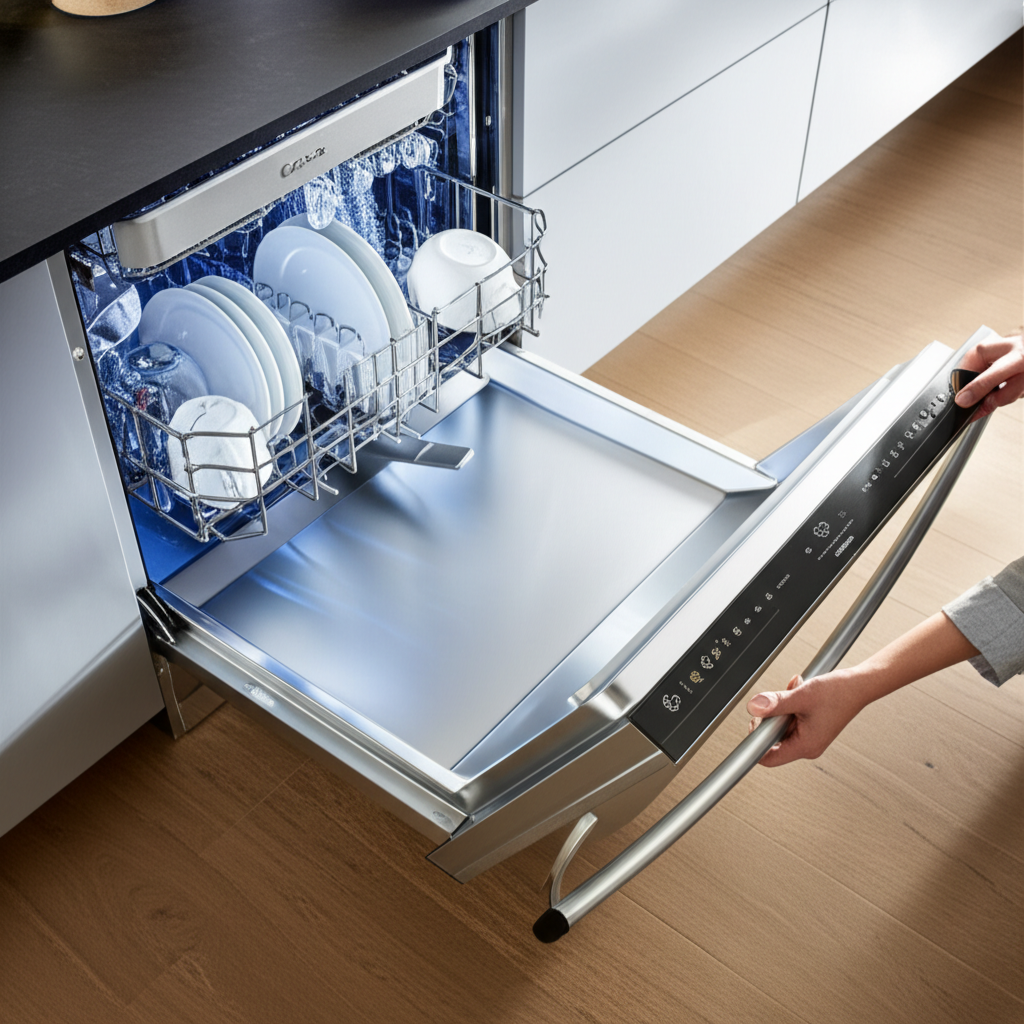
Few things are more frustrating than running a dishwasher cycle only to find dishes still dirty. Before calling for service, work through these common causes—many have simple solutions you can handle yourself.
Water Temperature Issues
### Problem 1: Water Not Hot Enough
Dishwashers need water at 120-150°F for effective cleaning. If incoming water is too cool, detergent won't dissolve properly and grease won't break down.
Check: Run your kitchen faucet until water is hot, then start the dishwasher. Test water temperature with a thermometer—it should reach at least 120°F.
Solution: Adjust your water heater temperature. If it's already set correctly, the water heater may be failing or the dishwasher's heating element may have issues.
### Problem 2: Heating Element Failure
Many dishwashers have internal heating elements to boost water temperature. A failed element means lukewarm wash water.
Check: At the end of a hot cycle, carefully touch the inside of the tub. It should be noticeably warm.
Solution: Heating element replacement requires professional service.
Water Supply Problems
### Problem 3: Insufficient Water Fill
The dishwasher needs adequate water to clean effectively. Restricted water flow leads to poor cleaning.
Check: During fill, open the door carefully (pause the cycle first). Water should reach at least the bottom of the door opening.
Solution: Check the water supply valve under the sink—it should be fully open. The inlet screen inside the dishwasher may also be clogged.
### Problem 4: Water Inlet Valve Malfunction
A failing inlet valve may not open fully, restricting water flow.
Symptoms: Long fill times, low water level, or no water entering at all.
Solution: Professional replacement of the inlet valve.
Spray Arm Issues
### Problem 5: Blocked Spray Arms
Food particles can clog the small holes in spray arms, directing water unevenly or not at all.
Check: Remove spray arms and hold them up to light—all holes should be clear.
Solution: Clean holes with a toothpick or thin wire. Soak arms in warm vinegar water to dissolve buildup.
### Problem 6: Spray Arms Not Spinning
If spray arms are blocked from rotating, only portions of the load get cleaned.
Check: Spin each arm by hand. They should rotate freely. Load dishes and verify tall items won't obstruct rotation.
Solution: Remove obstructions. If arms are physically blocked, ensure proper dish loading technique.
Detergent Problems
### Problem 7: Wrong Detergent Type
Not all detergents work well with all dishwashers or water conditions.
Consider: Pod detergents may not dissolve properly in quick cycles or with low water temperatures. Hard water areas need detergent with water softening agents.
Solution: Experiment with different detergent types. High-quality tablets or powder often outperform budget options.
### Problem 8: Detergent Dispenser Not Opening
If the dispenser doesn't open during the wash cycle, detergent never reaches dishes.
Check: After a cycle, look at the dispenser. Is it open and empty?
Solution: Test by starting a cycle, waiting until you hear water spraying, then opening the door after the dispenser should have released (usually 15-20 minutes into the cycle). If detergent remains, the dispenser mechanism may need repair.
### Problem 9: Using Too Much or Too Little Detergent
More detergent doesn't mean cleaner dishes—it can leave residue. Too little won't clean effectively.
Solution: Follow detergent package recommendations. For heavy soil, use the pre-wash dispenser as well.
Filter and Drain Issues
### Problem 10: Clogged Filter
Modern dishwashers have filters that trap food particles. A clogged filter means dirty water recirculates onto clean dishes.
Check: Locate and remove the filter (usually at the bottom of the tub). Is it full of debris?
Solution: Clean the filter under running water. Use a soft brush for stubborn residue. Clean weekly if you don't pre-rinse dishes.
### Problem 11: Drain Problems
If dirty water doesn't drain completely, it splashes back onto dishes during the dry cycle.
Check: After the cycle completes, is there standing water in the bottom? Some moisture is normal, but pools indicate drainage problems.
Solution: Check the drain hose for kinks. Clean the garbage disposal if your dishwasher drains through it. The drain pump may need professional attention.
Loading and Cycle Issues
### Problem 12: Improper Loading
How you load dishes significantly affects cleaning results.
Common mistakes: - Overcrowding that blocks water flow - Nesting items (bowls stacked inside each other) - Placing large items that block spray arms - Cups and bowls facing upward (they fill with dirty water) - Blocking the detergent dispenser
Solution: Follow your dishwasher manual's loading diagram. Leave space between items for water circulation.
Model-Specific Considerations
### Cove Dishwashers
Cove units are among the quietest available, which means you may not hear water circulation problems. Run a cycle with the door open slightly (it will pause) to observe water spray patterns.
### Miele Dishwashers
Miele's AutoDos system for automatic detergent dispensing requires specific detergent. Using the wrong type causes poor results.
### Bosch Dishwashers
Bosch's condensation drying system requires proper rinse aid use. Without it, dishes may come out wet with water spots.
When to Call a Professional
Contact a technician if:
- Water doesn't fill or drain properly after basic checks
- The heating element isn't heating
- Spray arms won't spin despite no obstruction
- The dispenser mechanism is broken
- You hear unusual noises (grinding, humming without water movement)
- Problems persist despite trying all troubleshooting steps
Long-Term Prevention
- **Scrape dishes before loading**—heavy food particles should be removed
- **Run hot water before starting** the dishwasher
- **Use rinse aid** for spot-free results
- **Clean the filter weekly**
- **Run a cleaning cycle monthly** with dishwasher cleaner or vinegar
- **Inspect spray arms monthly** for clogs
- **Don't let the dishwasher sit unused** for extended periods—seals can dry out
Need Professional Appliance Repair?
Our experienced technicians are ready to help with your Sub-Zero, Wolf, and other luxury appliance needs.
Related Articles
Sub-Zero Refrigerator Not Cooling? Complete Diagnosis Guide
Your Sub-Zero stopped cooling? Before calling for service, learn what might be causing the problem and what you can check yourself.
Wolf Range Igniter Keeps Clicking But Won't Light: Causes and Solutions
That constant clicking sound from your Wolf range is frustrating. Learn why it happens and when you can fix it yourself versus calling a technician.